
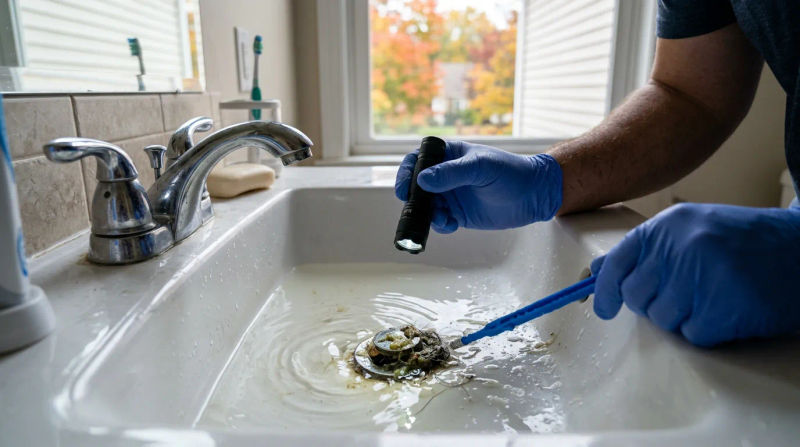
It’s a familiar scene in many homes this time of year. You’re rinsing dishes after dinner, and the water starts pooling around your drain, taking its sweet time to disappear. Or maybe you flush a toilet upstairs and hear a strange gurgling sound coming from your kitchen sink. As a plumber with over 14 years of experience, I can tell you these aren’t just minor annoyances - they’re your plumbing system’s way of sending up a flare. Especially here in Sayreville, as October brings heavy leaf fall and prepares us for the holiday season, paying attention to these early warnings can save you from a major headache later on.
That slow drain is more than an inconvenience; it’s a symptom. And ignoring it is like ignoring the check engine light in your car. Sooner or later, a small problem can become a big, messy, and expensive one. My goal here is to share some of the practical advice I give homeowners every day, helping you understand what your drains are telling you and what you can do about it.
Common Signs and Symptoms
Recognizing the early slow drain signs is the first step toward preventing a full-blown backup. Your home’s drainage system is interconnected, so a problem in one area can sometimes show up in another. Here’s what my team and I tell people to look and listen for:
- Slow Drainage (The Obvious One): This is the most common sign. If water in your sink, shower, or bathtub takes noticeably longer to drain than it used to, you have the beginning of a clog. Don't dismiss it just because the water eventually goes down.
- Gurgling Sounds: This is a classic red flag. The most common example is hearing your sink gurgling after flushing a nearby toilet. This sound is caused by trapped air in your drain lines being displaced by the rush of water. The air is forced to escape through the nearest available opening, which is often a sink or shower drain. It points to a partial blockage or a venting issue that is disrupting the normal flow.
- Unpleasant Odors: Are you noticing a foul, sewer-like smell coming from your drains, even when they’re not in use? This is often caused by food particles, grease, and other organic matter that has become trapped and is decaying inside your pipes. It’s a clear indicator that your drains aren’t clearing themselves properly.
- Multiple Fixtures Acting Up: If using one plumbing fixture affects another, you likely have a problem in your main sewer line, not just a simple clog in a single drain. For example:
- Flushing a toilet causes water to back up into the shower or tub.
- Running the washing machine makes the toilets bubble or overflow.
- The kitchen sink drains slowly, and so does the nearby half-bath.
- Changes in Toilet Water Level: A blockage in the sewer line can cause the water level in your toilet bowl to fluctuate. You might notice it’s unusually high one day and very low the next. This happens because the blockage is preventing waste and water from flowing away freely.
What Causes This Problem
Understanding the root cause of a slow drain helps in finding the right solution. The culprits often depend on where the clog is located - inside an individual fixture’s drain line or further down in the main sewer line that serves your entire house.
Inside Your Home (Fixture Drains): These are typically caused by the day-to-day materials that go down your drains.
- In the Kitchen: The primary offenders are fats, oils, and grease (FOG). When you pour hot grease down the drain, it cools and solidifies further down the pipe, creating a sticky trap for food scraps and other debris. Over time, this builds into a stubborn blockage.
- In the Bathroom: Hair is the number one enemy of shower, tub, and bathroom sink drains. It combines with soap scum and conditioner residue to form dense, matted clogs that are difficult to dislodge. So-called "flushable" wipes are another major source of backups; they don't break down like toilet paper and can easily snag in pipes.
Outside Your Home (Main Sewer Line): Problems here are more serious and often related to your property's environment and age. Many homes in the Sayreville area, particularly the classic 1950s Ranch and Cape Cod style houses, were built with materials like cast iron or clay pipes. While durable for their time, they are now susceptible to certain issues.
- Tree Root Intrusion: This is one of the most common causes of main line blockages I see. Tree roots are naturally drawn to the water and nutrients inside your sewer line. They can infiltrate pipes through tiny cracks or loose joints. Once inside, they grow into a dense web that catches everything flowing down the line, eventually causing a complete blockage. The mature trees in established Sayreville neighborhoods make this a frequent issue.
- Pipe Corrosion and Scale: The cast iron pipes found in many mid-century homes corrode from the inside out over decades. This process, called tuberculation, creates a rough, bumpy interior surface that snags toilet paper and solid waste, gradually narrowing the pipe's diameter and leading to recurring slow drains.
- Pipe Shifting or "Bellies": As the ground settles or shifts - something that can be aggravated by heavy fall rains - sections of your sewer line can become misaligned or sink, creating a low spot or "belly" in the pipe. Waste and water collect in this dip instead of flowing away, leading to a perpetual clog.
When to Call a Professional
Some minor clogs can be handled on your own, but it's crucial to know when to stop and call for help to avoid making the problem worse. Here is a simple Sayreville slow drain checklist to run through before you pick up the phone.
Your DIY Checklist (Try These First):
- Use a Plunger: For a sink, make sure to cover the overflow opening with a wet rag to create a proper seal. For a toilet, use a flange plunger designed for the job. Firm, steady plunges are more effective than frantic ones.
- Clean the Stopper: In bathroom sinks, the pop-up stopper is a magnet for hair and soap scum. It can often be unscrewed or pulled out for a quick, easy cleaning.
- Try a Simple Drain Tool: A small, flexible plastic tool (often called a zip-it) can be very effective at pulling out shallow hair clogs from shower and sink drains.
- Use Hot Water: For a slow kitchen sink, carefully pouring a pot of very hot (not boiling) water down the drain can help melt a minor grease blockage.
A Word of Caution: I strongly advise against using harsh liquid chemical drain cleaners. They are highly corrosive and can eat away at older cast iron pipes, turning a simple clog into a costly pipe repair. Furthermore, they rarely solve the underlying issue and often just push the blockage further down the line.
When to Schedule Drain Cleaning
If your DIY efforts fail or if you notice any of the following red flags, it’s time to contact an experienced professional. This is when to schedule drain cleaning to prevent a more serious emergency.
- The Problem Affects Multiple Drains: This is the clearest sign of a main line issue that a plunger won't fix.
- Water Backs Up in Other Fixtures: The gurgling sounds have escalated to actual water backing up into your tub or shower. This needs immediate attention.
- The Clog Keeps Coming Back: If you’re constantly clearing the same drain every few weeks, there’s a deeper problem that needs to be properly diagnosed and removed.
- You Suspect Tree Roots: If you have large, mature trees on your property and recurring backups, roots are the likely culprit. A professional can use a sewer camera to confirm this and a high-powered auger or hydro-jetter to clear them.
An experienced professional can perform a camera inspection to see exactly what’s happening inside your pipes. This takes the guesswork out of the equation and allows for a targeted, effective solution, whether it's simple cleaning or addressing a damaged section of pipe.
Conclusion
Those little plumbing annoyances - the slow drain, the gurgling toilet, the faint smell - are your home’s early warning system. Listening to them, especially during the fall before the ground freezes and holiday hosting puts extra stress on your system, is one of the smartest things a homeowner can do. By identifying the signs early and understanding the potential causes, from simple hair clogs to invasive tree roots in older pipes, you can take control of the situation.
Don't wait for a slow drain to become a flooded basement. Acting proactively not only saves you from a messy emergency but also protects the long-term health of your home's plumbing system.
If you notice any of these signs and your DIY efforts aren't cutting it, contact a local plumbing professional for an inspection. Getting an expert opinion is the best way to ensure your drains are clear and ready for the season ahead.